
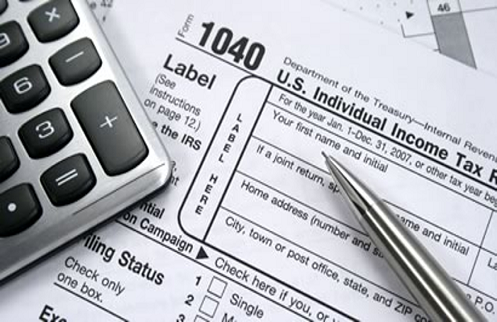
Mastering Tax Preparation for Self-Employed Individuals: Essential Tips and Strategies
Tax preparation for self-employed individuals is a crucial aspect of running a successful business, especially in Atlanta’s dynamic economic climate. Because self-employed professionals face a unique set of tax obligations, staying organized and knowledgeable is essential. With federal workforce data indicating that over 16 million Americans classify as self-employed, it’s clear that effective tax strategies can make a significant difference. Therefore, having a solid grasp of tax requirements is vital for financial success and compliance.
For self-employed individuals in Atlanta, Georgia, tax preparation encompasses much more than filing yearly returns. Comprehensive CPA services such as tax planning, monthly bookkeeping, and financial reporting can play a pivotal role. A well-organized bookkeeping system helps track deductible expenses like home office costs and mileage. Moreover, strategic tax planning ensures that clients leverage all available credits and deductions, which could potentially reduce overall tax liability. Proactive tax strategies consistently place independent professionals and small businesses in a stronger financial position.
In addition, local CPA firms in Atlanta can assist with tax resolution if issues arise with the IRS or the Georgia Department of Revenue. As tax laws evolve, partnering with a knowledgeable CPA ensures ongoing compliance and can result in significant tax savings year after year.
Advantages and Considerations for Self-Employed Individuals
Tax preparation for self-employed individuals involves both compliance and opportunity. Atlanta CPA firms recommend these essential strategies:
- Track Income and Expenses: Use digital tools to record transactions and avoid lost deductions.
- Understand Quarterly Payments: Self-employed individuals must remit estimated taxes to the IRS and Georgia Department of Revenue each quarter.
- Leverage Deductions: Home office expenses, health insurance premiums, and retirement contributions can reduce taxable income.
- Keep Records Organized: Maintained records support deductions and help resolve any audit inquiries more efficiently.
Furthermore, tax prep for all business owners should also include future tax planning. Whether you are a freelance graphic designer in Buckhead, GA or an independent contractor in Decatur, GA, professional guidance can help structure your finances for growth and stability.
Tax Preparation for Business Owners in General: Local Guidance in Atlanta, Georgia
Choosing a CPA firm in Atlanta provides added benefits for your tax preparation for self-employed individuals. Local experts understand Georgia’s tax credits and city business regulations. They also remain accessible for in-person or virtual consultations, ensuring you have ongoing support throughout the year. Sanz Virtual Enterprise, LLC, specializes in assisting Atlanta professionals, giving recommendations tailored to local business environments and opportunities for tax savings.
Frequently Asked Questions About Self-Employed Tax Preparation
What is the self-employment tax rate and how does it affect independent professionals?
Self-employed individuals pay a 15.3% self-employment tax covering both the employer and employee portions of Social Security (12.4%) and Medicare (2.9%) on 92.35% of net earnings. However, you can deduct the employer-equivalent half of this tax when calculating your adjusted gross income, making accurate net profit tracking essential.
How can self-employed individuals keep income and expenses organized before tax season?
Maintaining clean financial records throughout the year prevents missed write-offs and reduces year-end stress. Independent contractors and sole proprietors can track monthly revenue and categorize deductible business expenses efficiently using our online P&L template before handing their financial summary over to a CPA for tax preparation.
When are quarterly estimated tax payments due for self-employed business owners?
Because no employer withholds taxes from your income, the IRS and the Georgia Department of Revenue require estimated tax payments four times a year—typically in April, June, September, and January. Working with a CPA ensures your quarterly estimates are calculated accurately so you avoid underpayment penalties.
When should a self-employed individual consider electing S-Corporation status?
Generally speaking, once your net business profits consistently exceed a reasonable salary for your industry, electing S-Corporation tax status can reduce your overall self-employment tax burden. A local CPA can run a side-by-side tax projection to determine if an S-Corp election makes financial sense for your Georgia business.
In summary, tax preparation for self-employed individuals requires tailored strategies, careful planning, and year-round attention. By partnering with a skilled CPA in Atlanta, you can boost your tax savings, minimize risks, and unlock peace of mind. Reach out to Sanz Virtual Enterprise, LLC today to schedule a free tax consultation and ensure your small business is primed for financial success.


